




Intelligent network control goes beyond legacy network management systems (NMS) and software-defined networking (SDN) to improve operational efficiency and expand automation across network layers. With software control powered by AI, analytics, and automation, you can simplify and improve operational workflows across multiple technology layers. The result is faster, more efficient network build-outs, service turn-up, network monitoring, problem diagnosis, and trouble resolution.
In telecommunications networks, technological innovations embedded within hardware are pushing the boundaries of physical limits. Although high-performance hardware is necessary to deliver widespread high-bandwidth internet, cloud, and AI connectivity, hardware alone can’t efficiently adjust to the dynamic demands of today’s market.
Once viewed as just an enabler of hardware, software has rapidly evolved. Network operations are also no longer seen as just a means to commission, configure, upgrade, and monitor hardware devices to ensure that the overall network stays up and running. Over a decade ago, SDN moved network management beyond traditional NMS by centralizing software control of multi-vendor devices through open, standardized interfaces. More recently, the uptake of AI and the cloud has led to an ever-growing demand for higher bandwidth, faster connectivity, and greater scale, and the value of network operations software has significantly increased.
Telecommunications networks now use sophisticated user interfaces, automation, analytics, machine learning (ML), and AI to advance network operations. Network autonomy is the goal, and intelligent network control is essential to achieving it.
What is intelligent network control? It pairs software control with AI and advanced analytics to drive closed-loop automation and stay ahead of market demand. Agentic AI advances intent-based operations by enabling agents to autonomously make decisions and initiate actions. In short, intelligent network control is software control driven by AI, enabling automation of multi-layer, multi-vendor network operations throughout the network lifecycle—boosting business agility and efficiency. This comprehensive control and visibility are increasingly important as AI, the cloud, and IP/Optical convergence reshape network architectures and increase scale.
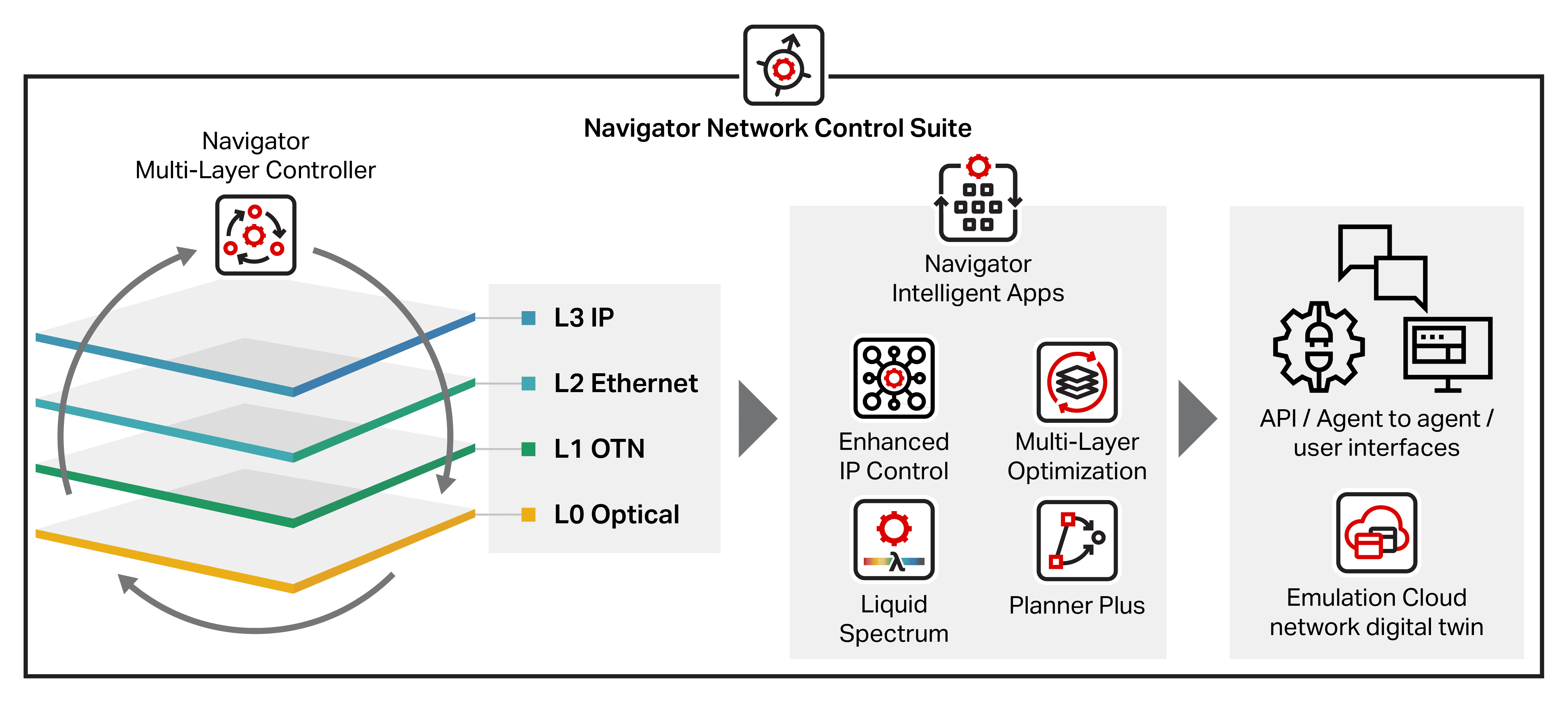
Figure 1. Navigator NCS delivers intelligent multi-layer network control
We offer intelligent network control for Ciena-based networks in one integrated suite: Navigator Network Control Suite® (Navigator NCS). Powerful capabilities in Navigator Multi-Layer Controller (Navigator MC) are enhanced with Navigator Intelligent Apps (Navigator IA), delivering real-time insights into the state of the end-to-end network through a unified interface. Liquid Spectrum™ provides real-time analytics and visibility across the programmable photonic layer. Enhanced IP control provides multi-vendor IP performance analytics so you can quickly identify and resolve performance issues and engineer the network to deliver a consistently high quality of experience (QoE). Multi-Layer Operations apps present multi-layer operational data in a clear, accessible format and automate repetitive cross-layer management tasks, helping you simplify and accelerate troubleshooting.
The comprehensive visibility of Navigator NCS across all layers of the network drives informed, optimized operational decisions. Whereas network operations teams were traditionally siloed between Layer 0 (L0) optical, Layer 1 (L1) optical transport network (OTN), Layer 2 (L2) Ethernet, and Layer 3 (L3) IP/MPLS, Navigator NCS unifies network and service management in a single interface for all network layers. Unification drives consistency of operational workflows across layers and cross-correlation, enabling more effective use of network assets and improved customer service assurance.

Figure 2. Navigator NCS open APIs facilitate integration and automation with third-party systems
No network is stagnant—ongoing optimizations and build-outs are required to adapt to dynamic, increasing customer demands. A network digital twin—a virtual representation of the real-world network—is an essential component of intelligent network control, building trust in agentic AI decision-making and enabling autonomous networking. The digital twin synchronizes with the network to prevalidate AI-recommended optimizations before applying them to the physical network.
For capacity build-outs, the PlannerPlus network design and planning tool seamlessly integrates with Navigator MC so you can easily deploy completed network designs through auto-assist device commissioning and service provisioning.
But before a new network augmentation can go live, integration testing needs to be performed with existing network infrastructure as well as back-end operations support systems (OSS). The Emulation Cloud™ lab environment allows you to expedite your deployment process without the lead time and cost associated with building out your own lab. It provides open API access to emulated devices, configurations, and services. When you require additional resources, our services experts can help operationalize Navigator NCS and realize the benefits of intelligent network control as soon as possible.
Simplify operations and respond faster to changing network conditions with intelligent network control powered by AI-driven insights, analytics, and automation.